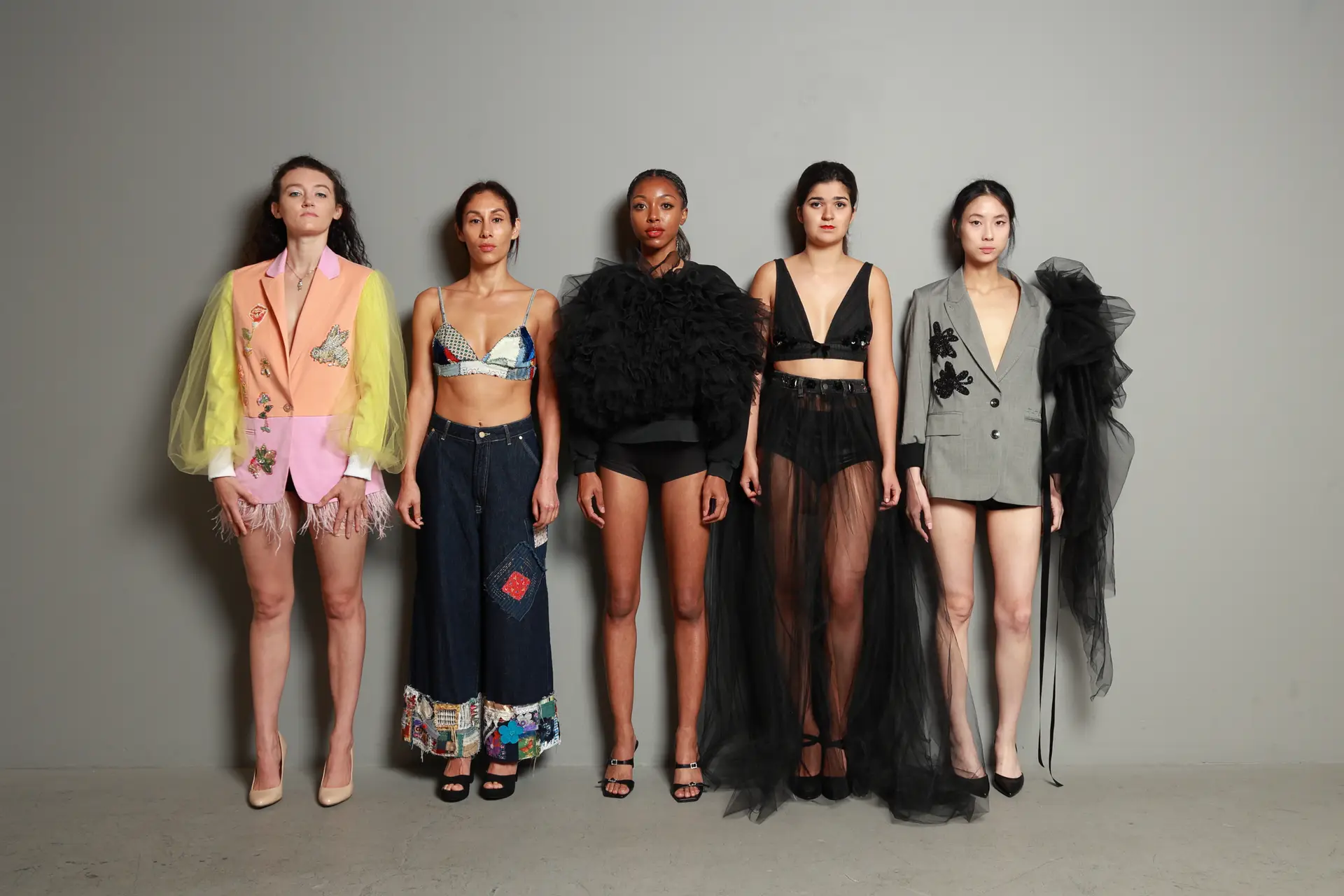

How Buyers Can Support Ethical Textile Production


Ethical textile production is more than just a buzzword; it’s about valuing the hands behind the threads. Buyers can support ethical textile production with small, thoughtful actions that influence the industry. From shopping consciously to urging transparency, buyers hold the power to drive impactful change in the fashion world.
There’s a rising demand for clothing made in a way that respects workers’ rights and the planet. But how can shoppers align their purchases with their values? Let’s explore the practical steps anyone can take to champion fairer fashion practices.
Transparency: An Ethical Requirement
Brands that are upfront about their sourcing, manufacturing, and labor practices are often those investing in ethical production. Look for companies that provide information on their supply chains, materials used, and partnerships with artisans. When brands are transparent about their practices, they empower consumers to make informed purchasing decisions.
Spotting certifications such as Fair Trade, Global Organic Textile Standard (GOTS), or WRAP is a helpful start. These certifications ensure that the garments meet strict ethical and environmental guidelines. At its core, transparency reflects accountability—and accountability is key to fair production.
Prioritize Quality Over Quantity
Fast fashion thrives on quantity, but ethical fashion focuses on crafting long-lasting, thoughtfully made pieces. Investing in durable clothing limits waste and reduces demand for mass production, which often exploits vulnerable communities, particularly in the global south.
Buying fewer, higher-quality items might feel like a shift at first, but the rewards are far-reaching. Better-made clothes last longer in your wardrobe while reducing strain on the industry’s production chains.
Support Local and Artisan-Made Products
Local tailors, small businesses, and artisan cooperatives frequently embody the principles of ethical production. By supporting them, buyers help sustain traditional craftsmanship. Many artisan projects also focus on uplifting communities, providing fair wages, and preserving cultural heritage.
Look for opportunities to purchase handmade, one-of-a-kind pieces crafted using natural fibers and sustainable dyes. Local markets and online platforms can connect shoppers with creators who prioritize ethical values.
Educate Yourself on the Supply Chain
The fashion industry’s supply chain can be complex, but understanding it is empowering. Details about where materials come from, how facilities stitch their garments, and the working conditions of laborers reveal important truths about a company.
Even businesses with histories of unethical practices can choose to relocate their production facilities with professional help to create safer working conditions or move to regions with strong worker protections. Recognizing these efforts can guide buyers toward brands that prioritize people and ethics over profit margins.
Advocate and Be Vocal
Change doesn’t only happen in checkout carts; it starts with pressing brands to do better. Social media platforms, emails, and petitions are tools for consumers to demand transparency and improved labor standards.
Shoppers can also share what they find about companies online. Amplifying the voices of workers and organizations advocating for ethical practices makes the movement impossible to ignore. After all, the collective consumer voice carries weight.
The Power Is in Your Hands
Every decision made while shopping has the potential to influence the fashion industry’s future. By choosing brands that are committed to transparency, prioritizing quality over quantity, supporting small creators, and advocating for change, buyers steer the industry toward fairness.
Supporting ethical textile production doesn’t have to be about holding yourself to unattainable standards as a consumer. The goal is to make conscious efforts toward progress. Tiny yet impactful choices ripple across communities, creating a more sustainable and equitable future for all.
Any products featured are independently selected by our editors. However, when you buy something through our retail links, we may earn an affiliate commission. Feel free to click on any image for product details.
Share this:

Discover more from Linger Magazine
Subscribe to get the latest posts sent to your email.


